Microservices vs Monolith - How to Build a Project

Do you know about SDLC, also known as the Waterfall Model? It stands for Software Development Lifecycle, a process that a project follows from start to finish. There are various models, and Waterfall is one of them. Here's a breakdown:
SDLC (Waterfall Model)
- Requirement: Managed by Project Managers, CTO/CEO, or senior staff in smaller companies. They collaborate with designers to define requirements.
- Design: Engineers or tech leads handle high-level and low-level designs.
- Development: Done by developers.
- Testing: Managed by QA, with test cases sometimes written by developers.
- Deployment: Managed by DevOps or senior developers.
- Maintenance: Continuous process if new requirements arise, repeating the cycle.
Monolith vs. Microservices
Monolith:
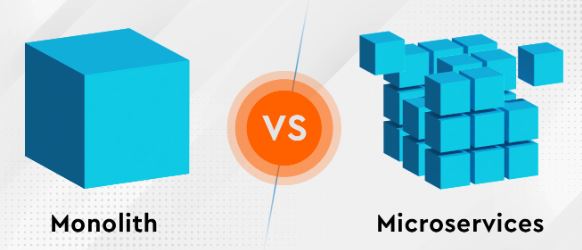
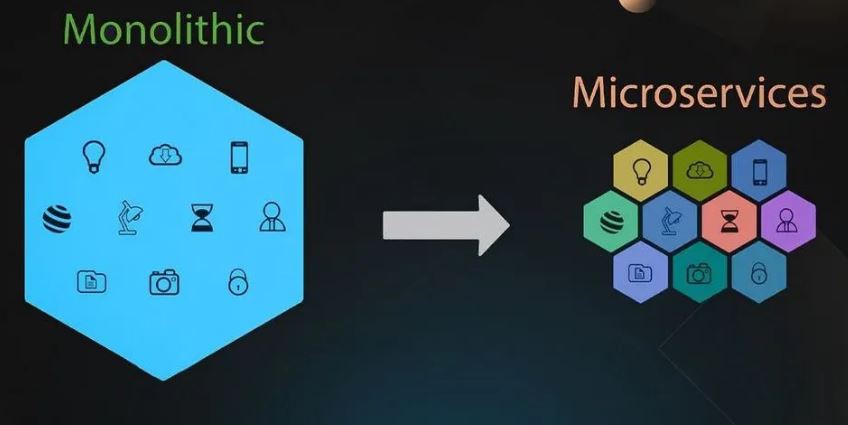
Monolith architecture is like building everything together in one big project. Imagine when you make a website; you write HTML, CSS, and JavaScript, then install packages, which brings package.json. You’ll add backend, database, and any services like sending emails within this same project. So, everything is in one repo, from frontend to backend and database. It’s like all developers working on the same large codebase—the monorepo. All functionalities are inside this one project.
Microservices:
Now, let’s talk about microservices. First, understand that a service is a separate project that does a specific thing. For example, if you need to send an email, you can have a microservice for email notifications. This microservice will work as a standalone project, not part of the main app. So, in this approach, instead of everything living in one big project like monolith, you have many small independent projects (microservices) handling individual tasks. This helps when scaling or maintaining projects, and services can run independently.
So, whether to go for monolith or microservices depends on your project requirements.
What to use?
Both Monolith and Microservices architectures come with their own pros and cons. I would suggest you read more about it, but here's a quick overview. First, it depends on the project requirements. Remember, in a Monolith architecture, code review and overall management become tough if you have a large codebase. Everything needs to be well-maintained, and running everything together may require a powerful system. I’ve experienced this firsthand when my system couldn't handle everything.
What I love?
I don't have a personal laptop, so I use my company’s device, which is an Intel i5 processor. Once, I had to work on a Monolith repo on Gluestack UI that involved backend (Docker), frontend (React Native), and a component library. Believe it or not, my laptop kept freezing when I tried running both backend and frontend. That’s why Microservices work better for me. Debugging is smoother, and the overall experience is better. Maintenance is easier, you can independently assign work, and you can even change the tech stack for smaller services in Microservices, which is a huge plus!
ohk thats all about this topic, will continue with this , stay tuned, Good bye!
Continue Exploring
Want me to write notes on a course?
Tell me the course, book, or research topic you want covered. If it helps learners, I'll consider adding structured digital notes for it in the garden.
Have a notes collection to feature here?
Do you have open notes you want featured in this digital garden? Let me know — we can collaborate and publish them for learners worldwide.
Having a doubt? Ask a query?